Web Design for Industrial & Machinery Distributors
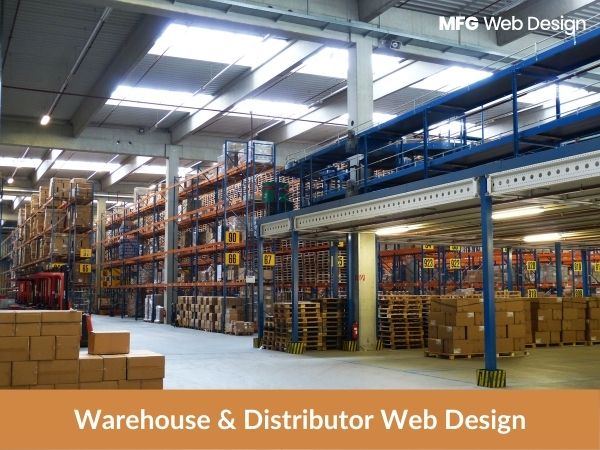
Website Design for Machinery & Parts Distributors
Distributors have a different problem than manufacturers: buyers usually already know the part number. They're searching for it, or a cross-reference for it, and the site that shows up fast with a real answer gets the RFQ. A distributor site built like a generic brochure loses to a competitor's site built like a parts catalog.
Our difference
We build searchable, crawlable catalog pages — not PDFs buyers can't search and Google can't index — plus RFQ and quote-request forms connected to your CRM so nothing lands in a shared inbox and goes cold. We specialize in HubSpot and WordPress, and also build on Shopify, Craft CMS, and other platforms depending on what fits your catalog.
Get a distributor website built for how buyers actually search — by part number, brand, and cross-reference — not a generic catalog.
Built to Be Searchable
A PDF catalog can't be searched by Google or by a buyer scanning quickly. We build part and product data as real, crawlable pages so both search engines and your buyers can actually find what they're looking for.
Cross-Reference Search
Buyers often know a competitor's or OEM's part number, not yours. A part-number cross-reference search on your site turns that exact-match intent into an RFQ instead of a bounce.
Quotes That Get Tracked
Every RFQ request connects to your CRM, so your sales team knows exactly who requested what and when — no quote request lost in a generic contact form.
Beyond the Website: SEO, Google Ads, Lead Tracking & AI Visibility
A well-built site is the foundation, but it only generates RFQs if buyers can find it and every inquiry gets tracked once they arrive. We also handle:
- SEO for distributor search terms — ranking for part numbers, brands, and cross-reference terms buyers search for. See SEO for Manufacturing.
- Google Ads for distributors — targeted campaigns for high-intent part and product searches. See Industrial PPC Management.
- CRM-connected lead tracking — every quote request routed and followed up. We specialize in HubSpot and WordPress, and also build on Shopify, Craft CMS, and other platforms depending on what fits your catalog.
- AEO for AI search visibility — structured data, llms.txt, and FAQ content so ChatGPT, Perplexity, and Google AI Overviews can find and cite you. Check your site with the AI Citation Readiness Score.
Contact us today to get started designing your distributor website
See the full playbook in Digital Marketing for Industrial Distributors, or talk to us directly.
Request a free consultation.Recent Client Results
90-day highlights from manufacturing and B2B clients. Each account is run directly by Jake Lett — no junior staff, no handoffs.
Enterprise Industrial Equipment
+289%
Conversions
A newly launched ad account for a maker of large custom evaporation systems. Tiered conversion values trained the bidding algorithm while keyword and placement exclusions filtered out off-the-shelf buyers. Ad spend dropped 46% over the same period.
Industrial Equipment Provider
4 → 14
Sales opportunities in one month
Budget moved from broad keywords to high-intent exact match, with call tracking added to capture phone leads. Cost per lead fell 50% while total conversions grew 172% on 12% less spend. Tracked in HubSpot and synced back to Google Ads.
Medical Device Manufacturer
$171 → $88
Cost per lead
Spend reallocated to high-intent search terms with dedicated landing pages and remarketing. Total conversions grew from 26 to 65, and organic search clicks rose 76% after technical site performance work.
Read independent client reviews on Clutch.
Distributor Website FAQs
What should an industrial distributor website include?
Searchable, crawlable product and part pages (not PDF catalogs), a part-number cross-reference search, clear stock/availability information where possible, and a fast quote-request path connected to your CRM. Buyers usually arrive already knowing what they need — the site's job is to confirm you have it and make requesting a quote effortless.
How is a distributor website different from a manufacturer's website?
A manufacturer's buyer is often evaluating capabilities and deciding whether a company can make what they need. A distributor's buyer usually already knows the exact part or product and is searching by part number, brand, or cross-reference — closer to a catalog search than a capabilities review. The site needs to prioritize search and findability over persuasion.
How much does a distributor website cost?
Template-based builds typically run $3,000–$8,000. Custom builds with searchable catalog functionality and CRM-connected quote requests on WordPress or HubSpot CMS run $8,000–$25,000+ depending on catalog size. Ongoing marketing retainers range $1,500–$4,500/month with a solo specialist. See the manufacturing website cost guide for a full breakdown.